About Us
Driving Nigeria's Circular
Plastics Future
The Nigeria NPAP is a collaborative platform driving Nigeria’s transition toward a circular plastics economy.
Established under the Global Plastic Action Partnership (GPAP) of the World Economic Forum (WEF), NPAP brings together key stakeholders to develop sustainable solutions for plastic waste management.
Who Does The Nigeria NPAP Bring Together?
Nigeria NPAP connects:
- Government institutions
- Businesses
- Development partners
- Civil society organizations
- Innovators
These stakeholders work together to:
- Eliminate plastic leakage
- Promote recycling
- Support circular economy initiatives
- Unlock economic opportunities from waste
The Role of the Federal Ministry of Environment
They serve as Chair of the Nigeria NPAP Steering Board, providing:
- National leadership
- Strategic guidance
- Stakeholder coordination
They also leads engagement across:
- Government agencies
- The private sector
- Academia
- Development partners

What We Do
1. National Coordination
2. Roadmap Implementation
3. Finance and Partnerships
4. Policy and Regulation
5. Research and Data
Our Global Partnership Ecosystem
GPAP builds locally owned, locally driven National Plastic Action Partnerships (NPAPs) that unite government, business, and civil society. Together, we turn knowledge and commitments into country-level action to reduce plastic pollution.
Locally Led
NPAPs are nationally anchored platforms that reflect local priorities and realities.
Multi-Stakeholder by Design
We convene government, industry, finance, and civil society to co-create solutions
From Insight to Action
We deliver tailored guidance and technical assistance to move from roadmaps to implementation.
Leadership
The Federal Ministry of Environment (FME) serves as Chair of the Steering Board, providing policy leadership and overseeing alignment with Nigeria’s environmental and development priorities.
DOW Chemical Company serves as Co–Chair, representing private–sector leadership and advancing innovation, industry collaboration, and investment in circular solutions.
Steering Board Committee
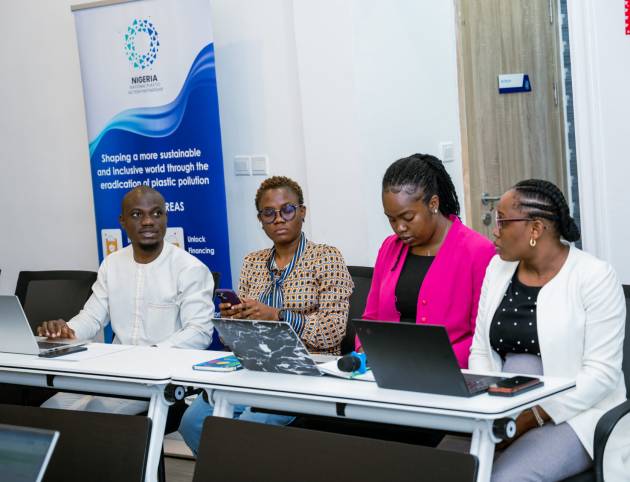
The Steering Board Committee provides strategic leadership and oversight for the Nigeria NPAP. It ensures that all programmes, policies, and partnerships under Nigeria NPAP align with Nigeria’s national priorities and the broader goals of the Global Plastic Action Partnership (GPAP) and the World Economic Forum (WEF).
Role of the Steering Board
The Steering Board functions as the highest decision–making body within the Nigeria NPAP governance framework, setting the direction for Nigeria’s circular plastics transformation and ensuring that every stakeholder’s contribution adds value to a shared national goal – a future free from plastic pollution.
Strategic Guidance
Define Nigeria NPAP’s long-term vision, priorities, and performance indicators.
Coordination
Foster collaboration among task forces, development partners, the private sector, and civil society to ensure an integrated national approach.
Oversight
Review progress against Nigeria NPAP’s roadmap and ensure transparency, accountability, and data-driven reporting.
Our Stakeholders
Government Framework
The Nigeria NPAP is guided by a Steering Committee for strategic oversight and a Secretariat that coordinates task forces and stakeholder activities.
Six Thematic Task Forces deliver action across the key pillars of finance, innovation, metrics, policy, inclusion, and behavior change.
Six Pillars of Action
The Six Pillars of Action drive Nigeria NPAP’s efforts to reduce plastic pollution through innovation, funding, policy, data, behaviour change, and inclusive participation in the circular economy
Unlocking Finance
Creating access to funding and investment tools for circular startups, recycling infrastructure, and environmental ventures.
Boosting Innovation
Supporting entrepreneurs and research that deliver plastic alternatives, smart waste segregation, and upcycling solutions.
Harmonizing Metrics
Developing transparent data frameworks to quantify plastic flows, leakage, and recovery rates for evidence-based decision-making.
Transforming Behaviour
Engaging citizens through campaigns, education, and collaboration to shift from single-use habits toward sustainable lifestyles.
Informing Policy
Advising and aligning government policy on plastics governance, EPR stewardship, and circular economy integration.
Promoting Inclusion & Gender Equality
Empowering women, youth, and informal workers to play leadership roles in Nigeria’s circular plastics transition.